
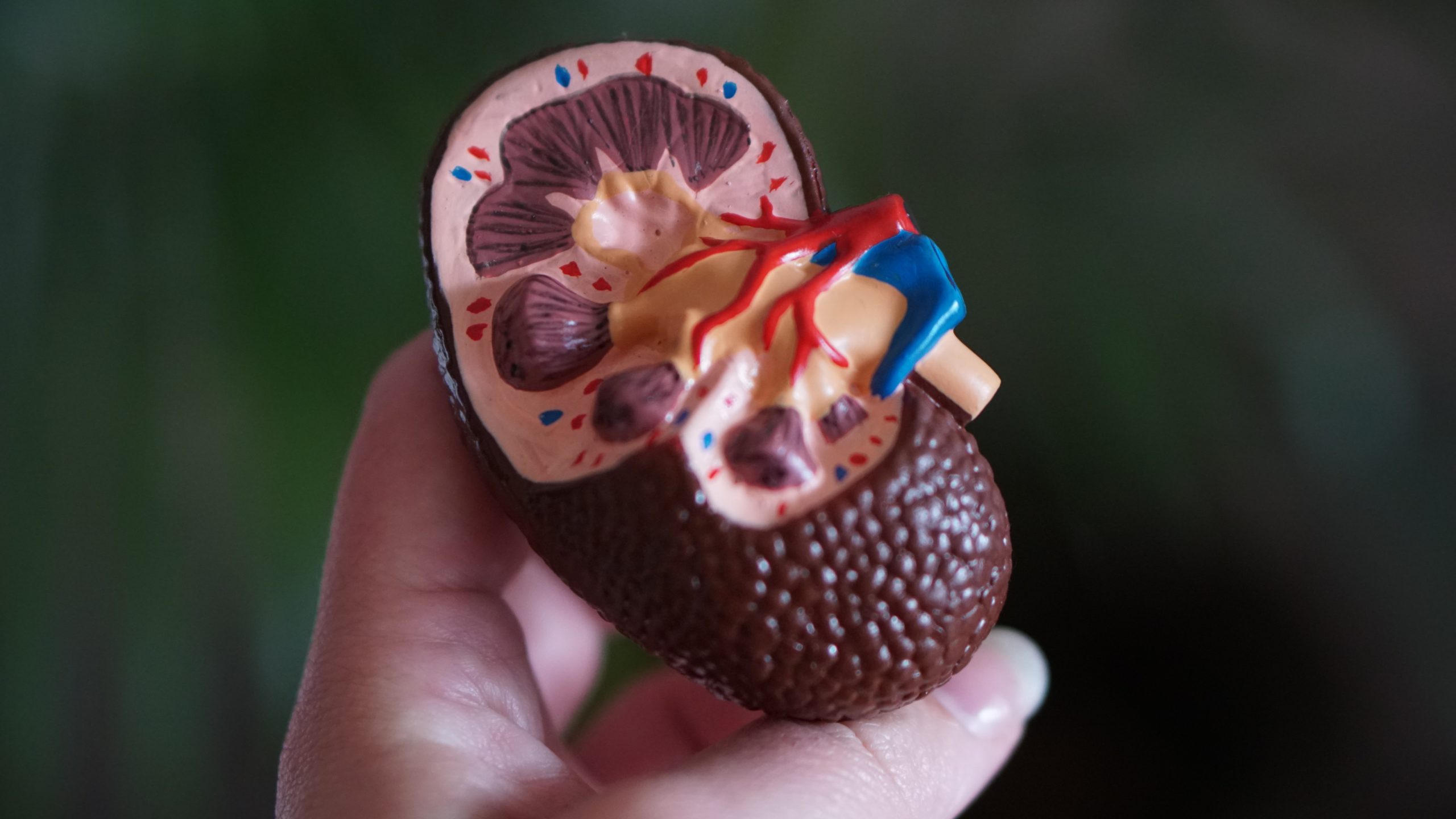
The kidneys perform tons of important functions for the body’s health. They filter your blood, release hormones that give nutrients, absorb the minerals from the food and supplements you’re taking, and produce the liquid that removes toxins from your body.
The decline or damage to your kidneys won’t manifest directly. In fact, consistent with the Cleveland Clinic, your kidneys can still function at 30 percent capacity. However, kidney damage can have serious consequences for your health. Here are some habits you would like to observe out for or stop doing completely to stop damaging your kidneys further.
10 Habits That Damage Your Kidneys that the majority People Ignore
1 You’re not beverage enough
Keeping your body hydrated is vital to the functions of your organs, especially the kidneys.
Water helps flush the toxins from your body, thus making it easier for the kidneys to wash your system.
You lessen your risks of developing UTI and kidney stones once you drink water regularly.
There is no atomic number to what percentage glasses of water you ought to drink each day. consistent with the National Kidney Foundation, men need a minimum of three liters or about 13 cups of water daily. Women, on the opposite hand, need 2.2 liters or about nine cups a day.
However, it isn’t good to drink an excessive amount of water. Athletes, as an example, could also be in the peril of overdiluting the sodium in their blood and develop an ill-health called hyponatremia.
If you’ve been diagnosed with kidney problems, you would possibly get to regulate your water intake also.
2 You’re not following medical prescriptions to the letter
You should always follow the precise prescription of medicines you would like to require. Sticking to what the doctors have prescribed is important so that you won’t risk damaging your kidneys.
Many medications have kidney damage as a side effect. So, if the doctor specifically gave you a hard and fast duration, stick with it. Never plan to make changes without consulting a doctor.
Even over-the-counter medications, like acetaminophen and ibuprofen, are harmful to the kidneys if taken a day. Don’t assume that because it’s easy to get at the pharmacy, it’s less potent or dangerous for your health.
3 You wish to eat foods that are high in sodium
If you wish foods with high sodium content, a change in your diet could be so as. If your kidney can’t properly flush this ingredient from your body, you’ll develop high vital sign alongside the swelling of the hands, feet, and ankles.
Before refrigerators were invented, people learned to feature salt to food to preserve its freshness. Today, however, cooks use salt to form the food flavorful since people became so won’t to its taste.
According to the Food and Drug Administration (FDA), the daily value for sodium intake is 2,300 milligrams. But it’s easy to exceed this recommendation because tons of the foods you eat contain sodium, whether its home-cooked, from the restaurant, packed, canned or processed.
The American Heart Association learned during a study that a minimum of one-third of adults think their sodium intake is a smaller amount than 2,000 mg each day. The agency recommends eating more fruits or vegetables and limiting sugary beverages, as these have high amounts of sodium also.
4 You’re not conscious of your vital sign
If you’ve never monitored your vital signs before, it’s time to adopt the habit now. A study within the BMJ Journals linked kidney damage to hypertension. this is often because the kidney uses your blood and blood vessels from the circulatory system to filter the toxins and distribute the nutrients.
A high vital sign is typically a sign that something might be wrong together with your circulatory system. The more the arteries become narrow, blocked or hardened by cholesterol and other toxins, the upper the risks are to kidney damage.
If you’ve got a history of hypertension within the family, make it a priority to watch vital signs. This way, you don’t just prevent kidney damage but also limit your risks of stroke or an attack and luxuriate in a more positive lifestyle.
Open next page to continue reading
SHARE


Leave a Comment